
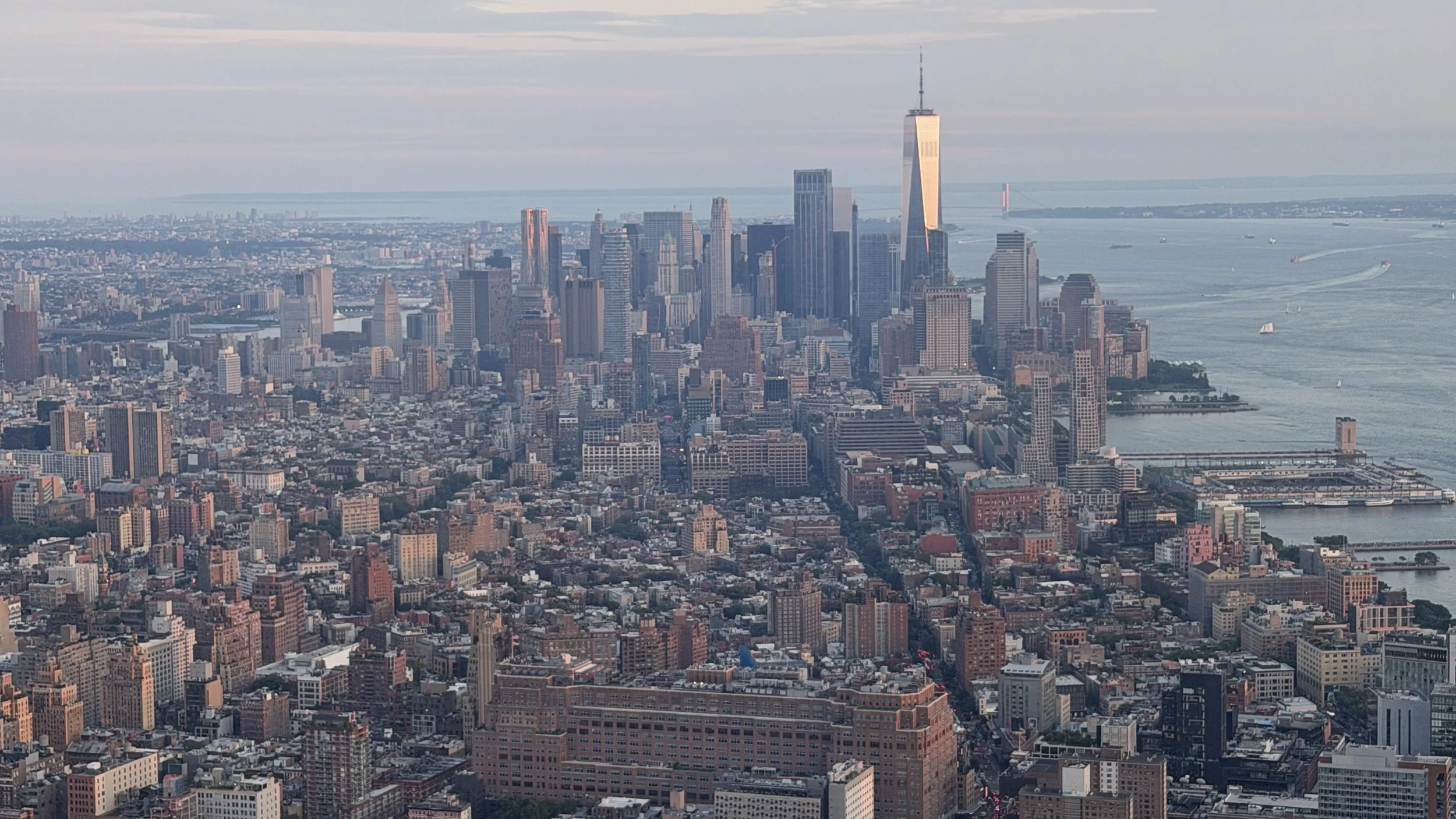
Lower Manhattan skyline in New York City
12 Things We Never Do in NYC (And What We Do Instead)
After years of visiting New York City, these are the mistakes we avoid, and the tips that make every trip smoother, cheaper, and more enjoyable.
Planning a trip to New York City?
It's easy to spend too much money, waste valuable time, or leave feeling like you missed the best parts of the city. After countless visits, we've found ourselves making the same choices over and over-not because they're trendy, but because they consistently lead to a better experience. These aren't strict rules. They're simply the things we personally avoid, along with what we recommend instead.
What You'll Learn:
✅ Avoid wasting money in NYC
✅ Common tourist mistakes
✅ Better alternatives we actually use
✅ Tips that save time and money
1. We Never Spend Our Entire Trip Checking Off Landmarks
Why We Avoid It
It’s completely understandable to arrive in New York with a long list of famous places you want to see. Times Square, Central Park, the Statue of Liberty, the Empire State Building, Rockefeller Center, Grand Central Terminal, and the Brooklyn Bridge are iconic for a reason.
The problem begins when checking off landmarks becomes the entire purpose of the trip.
Trying to fit too many major attractions into each day usually means crossing the city repeatedly, watching the clock, waiting in lines, and moving on as soon as you’ve taken a photo. You may technically see a lot, but you don’t always get to experience much.
New York is more than a collection of recognizable buildings. Its personality lives in its neighborhoods, sidewalks, parks, restaurants, shops, and everyday moments. If your itinerary is packed from morning until night, you leave very little room to discover those parts of the city.
What We Do Instead
We choose a few landmarks that genuinely matter to us and organize each day around one area of the city.
If we’re visiting the Brooklyn Bridge, for example, we might spend the rest of the morning in DUMBO and Brooklyn Bridge Park. If Central Park is the main attraction, we can pair it with the Upper West Side, the Upper East Side, or a nearby museum.
This approach reduces unnecessary travel and gives us time to explore without constantly worrying about the next reservation.
A Real Example
Instead of trying to visit the Statue of Liberty, Central Park, Times Square, and the Brooklyn Bridge in one day, we might devote one morning to Lower Manhattan and the waterfront.
We could explore the Financial District, walk through Battery Park, take a ferry, and stop somewhere nearby for lunch. That creates a complete day with a natural flow instead of a race between unrelated attractions.
💡 Down Set Fly Tip
Choose one or two priority attractions per day, then explore what’s around them. You may check fewer boxes, but you’ll usually leave with better memories and a much stronger sense of the city.
2. We Never Spend Every Day in Midtown
Why We Avoid It
Midtown contains many of New York’s most recognizable attractions, including Times Square, Rockefeller Center, Broadway theaters, Bryant Park, and Grand Central Terminal. It’s convenient, exciting, and absolutely worth experiencing.
But Midtown is only one version of New York.
If you spend your entire trip there, the city can begin to feel like a nonstop mix of office buildings, crowds, traffic, chain stores, and tourist attractions. You miss the quieter streets, local businesses, residential architecture, waterfront parks, and neighborhood personalities that make NYC so interesting.
This is especially common for first-time visitors staying near Times Square. Because so much is within walking distance, it’s easy to stay in the same part of Manhattan without realizing how different the rest of the city feels.
What We Do Instead
We use Midtown for the experiences that are actually located there, then make a point of exploring beyond it.
Depending on the trip, that might include the West Village, Greenwich Village, SoHo, Chinatown, the Lower East Side, the Upper West Side, Brooklyn Heights, DUMBO, or Williamsburg.
We don’t visit neighborhoods simply to say we’ve been there. We give ourselves enough time to walk, stop for food or coffee, visit a local business, and notice how the area changes from block to block.
A Real Example
If we spend an evening seeing a Broadway show near Times Square, we might use the following day to explore downtown.
We could begin in SoHo, walk through Nolita, continue into Chinatown, and finish on the Lower East Side. Those areas are close enough to connect naturally, but each has a noticeably different atmosphere.
That kind of day gives us a more complete picture of New York than another full day in Midtown would.
💡 Down Set Fly Tip
Give Midtown the time it deserves-but not the entire trip. Try to dedicate at least one full day to exploring downtown Manhattan or Brooklyn, especially if it’s your first visit.
3. We Never Uber Everywhere
Why We Avoid It
Taking a car can feel like the easiest option, especially when the subway looks unfamiliar. In New York, however, the most comfortable-looking choice isn’t always the fastest or most convenient.
Traffic can turn a relatively short trip into a slow and expensive ride. Pickup locations can also be confusing near crowded intersections, major attractions, theaters, and event venues. By the time the car arrives and works through traffic, walking or taking the subway may have been quicker.
Using rideshares for every trip also changes how you experience the city. When you travel from door to door inside a vehicle, you miss the streets, shops, parks, architecture, and unexpected places you would have noticed on foot.
There are times when a car makes sense, but we don’t treat it as the default.
What We Do Instead
We usually choose between walking, the subway, buses, and ferries based on the route.
Walking is often the best option for shorter distances, particularly when we’re exploring neighboring areas. For longer trips, the subway is generally more efficient because it avoids surface traffic. Ferries can be both practical transportation and an enjoyable sightseeing experience.
We consider a taxi or rideshare when we have luggage, when the weather is especially bad, when public transportation would require an inconvenient route, or when traveling late and a car feels like the better choice.
A Real Example
Imagine traveling from Midtown to Lower Manhattan during a busy afternoon. A car may look convenient, but traffic could make the ride slow and unpredictable.
The subway can often get you there more directly. Once downtown, walking between nearby attractions lets you experience the area instead of spending the day looking through a car window.
💡 Down Set Fly Tip
Before requesting a car, compare the estimated driving time with the public-transit route on your preferred navigation app. In NYC, the subway may be faster-and walking may be the most enjoyable option of all.
4. We Never Wait Hours Just Because a Place Went Viral
Why We Avoid It
New York has no shortage of restaurants, bakeries, bars, and cafés that become famous online. Some deserve the attention. Others become crowded because one video went viral and thousands of people suddenly want the same photo or menu item.
We don’t believe a place automatically becomes bad when it gets popular. We simply don’t want to sacrifice a large portion of a limited trip waiting for something when the city offers so many alternatives.
A two-hour line doesn’t only cost two hours. It can disrupt the rest of the day, create pressure around later reservations, and leave you too tired or frustrated to enjoy the experience once you finally get inside.
Popularity can be a useful signal, but it isn’t proof that a place is the best choice for your trip.
What We Do Instead
If we really want to visit a popular place, we look for a smarter time to go. That might mean arriving shortly after it opens, visiting on a weekday, making a reservation, ordering ahead, or choosing a less crowded location.
If the wait is still unreasonable, we move on.
New York is filled with excellent alternatives, often only a few blocks away. We would rather discover another great local business than spend half the afternoon in a line simply because social media told us one place was essential.
A Real Example
Suppose we arrive at a famous bakery and find a line stretching down the block. Instead of automatically joining it, we check the surrounding area for another highly regarded bakery or café.
That decision may lead to a better experience: less waiting, more time to explore, and the possibility of discovering a place we wouldn’t have found otherwise.
💡 Down Set Fly Tip
Save one or two backup options near every viral restaurant or attraction you plan to visit. If the line is excessive, you can change plans immediately without standing on the sidewalk searching for an alternative.
5. We Never Skip the Subway Just Because It Looks Intimidating
Why We Avoid It
The New York City subway can feel overwhelming at first. There are numerous lines, local and express trains, stations with multiple entrances, and platforms serving different directions.
That uncertainty causes some visitors to avoid it completely.
Skipping the subway, however, can make a trip more expensive and less efficient. The system connects an enormous portion of the city, and it is often the most practical way to travel between neighborhoods—especially when street traffic is heavy.
You don’t need to understand the entire subway system before your first ride. You only need to understand the route in front of you.
What We Do Instead
We use a navigation app to plan each trip and confirm the train, direction, station entrance, and expected number of stops.
Before entering, we check whether we need to travel uptown, downtown, toward Brooklyn, or toward Queens. Once on the platform, we compare the signs with the route on our phone. We also pay attention to service notices because construction or maintenance can occasionally change normal routes.
After a few rides, the system becomes much less intimidating.
A Real Example
If we’re traveling from Midtown to SoHo, we don’t try to memorize every subway line in Manhattan. We enter the destination into our map, follow the recommended route, and confirm that the train is heading downtown.
Breaking the trip into small decisions makes it manageable. Find the station, confirm the direction, board the correct train, and follow the stops.
💡 Down Set Fly Tip
Take your first subway ride when you aren’t rushing to a reservation. Give yourself a little extra time, and remember that getting turned around once does not ruin the trip-it’s part of learning the city.
6. We Never Leave NYC Without Riding the Ferries
Why We Avoid It
Many visitors spend their entire trip surrounded by buildings and never see New York from the water. That means missing one of the best perspectives of the skyline.
Sightseeing cruises can be enjoyable, but they aren’t the only way to experience the harbor and waterfront. New York’s ferry system can connect neighborhoods while also providing open views of the city.
For us, that combination makes a ferry ride more than transportation. It creates a natural break from crowded streets, gives our feet a chance to rest, and offers a completely different view of New York.
Schedules, routes, fares, and service conditions can change, so we always confirm current information before leaving.
What We Do Instead
We look for opportunities to incorporate a ferry into a day we already have planned.
Rather than treating it as a separate attraction, we might use a ferry to travel between Lower Manhattan and Brooklyn or to connect waterfront neighborhoods. This keeps the itinerary efficient while adding an experience that feels memorable.
We also leave time to enjoy the ride instead of treating it only as a way to get from one stop to another.
A Real Example
A waterfront day could begin in Lower Manhattan, continue with a ferry ride, and finish in Brooklyn Bridge Park or DUMBO.
Instead of traveling underground for the entire route, we get skyline views, time on the water, and a much more scenic transition between neighborhoods.
💡 Down Set Fly Tip
Check the official route map and schedule on the day of your ride, and arrive with enough time to find the correct landing. If the weather is comfortable, spend at least part of the trip outside for the best views.
7. We Never Skip Brooklyn Entirely
Why We Avoid It
For many first-time visitors, New York City and Manhattan are treated as if they’re the same thing. Manhattan contains many of the attractions people travel to see, but staying there for the entire trip means experiencing only one part of the city.
Brooklyn offers waterfront parks, historic streets, excellent restaurants, creative neighborhoods, green spaces, and some of the best views of the Manhattan skyline.
Skipping it also means missing the contrast that helps make New York interesting. Brooklyn Heights feels different from DUMBO. Williamsburg feels different from Park Slope. Prospect Park offers a completely different experience from the waterfront.
You don’t need to explore the entire borough in one visit. But we believe it deserves more than a quick photo at the end of the Brooklyn Bridge.
What We Do Instead
We choose one or two Brooklyn neighborhoods that match the type of day we want.
For classic skyline views and easy access from Manhattan, Brooklyn Heights, DUMBO, and Brooklyn Bridge Park work well together. For restaurants, shops, and a livelier neighborhood atmosphere, we may choose Williamsburg. For a slower day, we might build an itinerary around Prospect Park and nearby neighborhoods.
The key is giving the area enough time to feel like a destination rather than a brief detour.
A Real Example
We might take the subway or ferry into Brooklyn, explore DUMBO, walk along the waterfront, and continue through Brooklyn Heights.
Instead of immediately returning to Manhattan after taking a photo, we can stop for lunch, walk the promenade, and experience the neighborhood at a relaxed pace.
💡 Down Set Fly Tip
Choose a specific Brooklyn experience instead of simply adding “Brooklyn” to your itinerary. A focused half-day in one area is more rewarding than trying to race through several distant neighborhoods.
8. We Never Sleep Past 8 A.M. Every Day
Why We Avoid It
New York is known for its nightlife, and late mornings are sometimes exactly what a trip needs. We aren’t suggesting that everyone wake up at sunrise every day.
But sleeping late every morning means missing one of the most enjoyable versions of the city.
Popular streets, parks, bridges, and landmarks can feel completely different before the largest crowds arrive. Early mornings may also provide cooler weather, shorter lines, softer light for photography, and more flexibility later in the day.
Starting early doesn’t mean scheduling a major attraction at dawn. Sometimes it simply means getting outside before the city reaches full speed.
What We Do Instead
We plan at least one or two early starts during a trip, particularly for places that become crowded later.
We balance those mornings with slower days after late nights. The goal isn’t to turn the vacation into a rigid schedule. It’s to experience both sides of New York: the energy at night and the calm that exists early in the morning.
An early start also creates room for an afternoon break without making us feel like we lost the entire day.
A Real Example
If we want to walk across the Brooklyn Bridge, explore Central Park, or photograph a popular neighborhood, we may go early and eat breakfast afterward.
By the time the largest crowds arrive, we’ve already enjoyed the area and can move on without feeling rushed.
💡 Down Set Fly Tip
Choose your early mornings strategically. Use them for the places where fewer people will noticeably improve the experience, then give yourself permission to sleep later after a long night.
9. We Never Book Every Meal Months in Advance
Why We Avoid It
New York has restaurants that require advance planning, and we absolutely make reservations when there is somewhere we truly want to eat.
What we avoid is scheduling every meal before the trip begins.
A restaurant-heavy itinerary can control the entire day. You may have to leave a neighborhood earlier than you want, cross the city when you’re already tired, or eat a large meal when you aren’t hungry simply because the reservation time has arrived.
It also removes one of the best parts of exploring New York: finding something interesting while walking and deciding to try it.
What We Do Instead
We reserve a small number of priority restaurants and leave the remaining meals flexible.
That gives the trip structure without eliminating spontaneity. We can stay longer in a neighborhood we enjoy, change plans because of the weather, or visit a place we discover along the way.
For flexible meals, we still keep a list of possibilities organized by neighborhood. Spontaneous doesn’t have to mean unprepared.
A Real Example
If there’s one restaurant we’ve been excited to try, we might reserve it for dinner and leave breakfast and lunch open.
During the day, we can choose food based on where we actually are. If we spend longer than expected in the West Village, we can eat nearby instead of cutting the visit short to reach a reservation across town.
💡 Down Set Fly Tip
Organize restaurant ideas by neighborhood and mark your true priorities. Reserve the places you would be disappointed to miss, then let the rest of your meals follow the flow of the trip.
10. We Never Carry Shopping Bags Around All Day
Why We Avoid It
Shopping bags rarely feel inconvenient when you first leave a store. After several hours of walking, navigating crowded sidewalks, entering restaurants, and riding public transportation, they become much more frustrating.
They occupy your hands, bump into other people, make photography more difficult, and can turn an enjoyable afternoon into a search for somewhere to sit.
Shopping early can also create practical concerns. Fragile, valuable, or weather-sensitive purchases may not hold up well through an entire day of sightseeing.
What We Do Instead
We try to schedule serious shopping near the end of the day or at a time when we can return to our hotel afterward.
If we know we’re likely to buy something, we consider the rest of the itinerary before entering the store. We may rearrange the day, ask whether shipping is available, or postpone the purchase until we’re ready to head back.
A lightweight reusable bag can help with small purchases, but it doesn’t solve the problem of carrying multiple large bags for miles.
A Real Example
Rather than shopping in SoHo first thing in the morning and carrying purchases through the rest of downtown, we might explore earlier and shop during the final part of the day.
Afterward, we can return to the hotel, drop everything off, and head to dinner without hauling bags through a crowded restaurant.
💡 Down Set Fly Tip
Build shopping into the itinerary as an end-of-day activity whenever possible. If you find something earlier that you don’t want to lose, ask whether the store can hold it briefly or ship it home.
11. We Never Rush Through Neighborhoods Just for the Photos
Why We Avoid It
New York is extremely photogenic, and certain streets, buildings, bridges, and viewpoints appear constantly on social media. It’s easy to arrive with a list of shots and treat every neighborhood like a backdrop.
When the photo becomes the only goal, however, you may leave without learning anything about the place you visited.
You take the picture, check it off the list, and move immediately to the next location. That approach may produce plenty of content, but it can make the actual trip feel rushed and disconnected.
It can also affect the people who live and work there. Residential streets and local businesses aren’t film sets, so we try to remain aware of entrances, sidewalks, traffic, and other people’s space.
What We Do Instead
We allow time to experience a neighborhood before worrying about capturing it.
We walk without a strict route, stop at local businesses, pay attention to the architecture, and learn what makes the area distinct. We still take photos and video—that’s a major part of what we do—but we don’t want the camera to become a barrier between us and the destination.
Slowing down usually improves the content too. We notice better details, find less obvious angles, and tell a more complete story.
A Real Example
If we visit DUMBO for a well-known photo location, we don’t take the picture and immediately leave.
We might walk through the surrounding streets, visit the waterfront, explore Brooklyn Bridge Park, and stop somewhere nearby. The recognizable photograph becomes one part of the experience rather than the entire reason for being there.
💡 Down Set Fly Tip
After taking the photo you planned, put the camera away for a few minutes and explore the surrounding blocks. The place you discover next may become your favorite part of the day.
12. We Never Wear Shoes or an Outfit We Can’t Walk Miles In
Why We Avoid It
New York has a way of turning an ordinary day into a very long walk.
Even when using public transportation, you’ll walk to stations, through stations, between platforms, around attractions, and across neighborhoods. A route that looks short on a map can become much longer once stops and detours are added.
Uncomfortable shoes can affect more than your feet. Pain changes your pace, your mood, and how long you’re willing to stay out. An outfit that is too restrictive, too warm, or poorly suited to the weather can create the same problem.
Looking good and feeling comfortable don’t have to be opposites. We simply avoid wearing something for the first time when we know we’ll be walking all day.
What We Do Instead
We choose supportive shoes that we have already worn for long periods. We also check the weather and dress in layers when conditions may change.
If we want a more dressed-up outfit for dinner, an event, or photos, we plan around it. We may return to the hotel to change rather than spending the entire day in clothing that doesn’t work for sightseeing.
We also bring only what we’re willing to carry. A lighter bag makes a noticeable difference after several hours.
A Real Example
A day may begin with a subway ride, continue with several neighborhoods on foot, and end with an evening reservation. Even if no single walk looks especially long, the total distance can add up quickly.
Instead of wearing new shoes because they match an outfit, we choose a pair we already trust. If the evening calls for something different, we change before dinner.
💡 Down Set Fly Tip
Never make your first full day in NYC the first time you wear a new pair of shoes. Break them in before the trip, pack blister protection just in case, and prioritize comfort over an outfit that only works for a photograph.
The Best NYC Trips Leave Room for the Unexpected
New York rewards curiosity. The trips we enjoy most aren’t necessarily the ones with the longest itineraries. They’re the ones with enough structure to avoid wasting time and enough flexibility to follow an unexpected recommendation, explore another block, or stay somewhere longer than planned.
See the landmarks that matter to you. Make the restaurant reservations you’re excited about. Take the photos you’ve imagined. But leave room to walk, explore, change your mind, and experience the city beyond the checklist.
That’s what we do instead.
Planning a Trip to New York City?
We’re continuing to build practical NYC guides covering transportation, ferries, neighborhoods, hotels, food, viewpoints, and ways to experience the city without wasting time or money.
Join our email list to receive new travel guides and planning resources as they’re released.